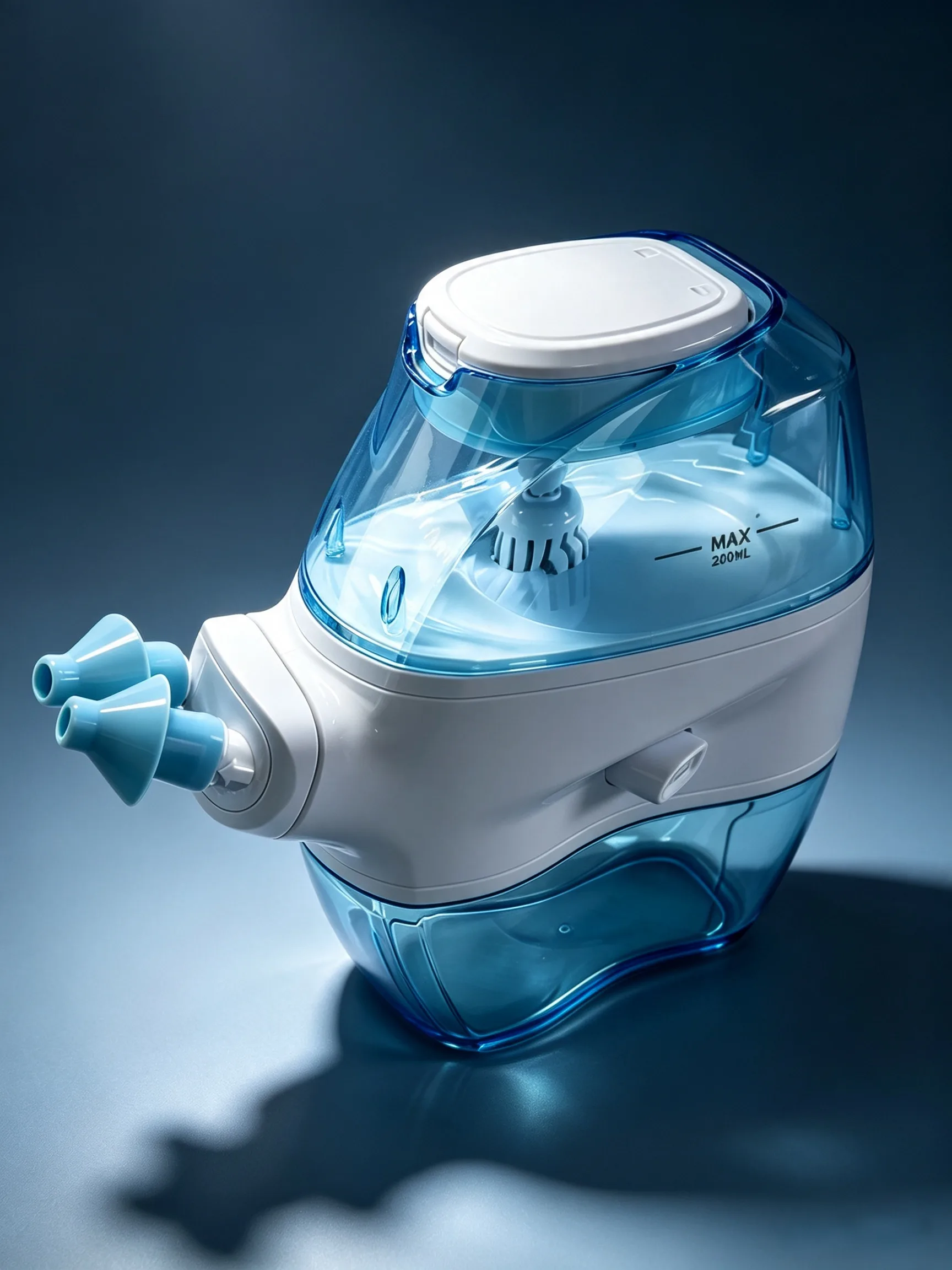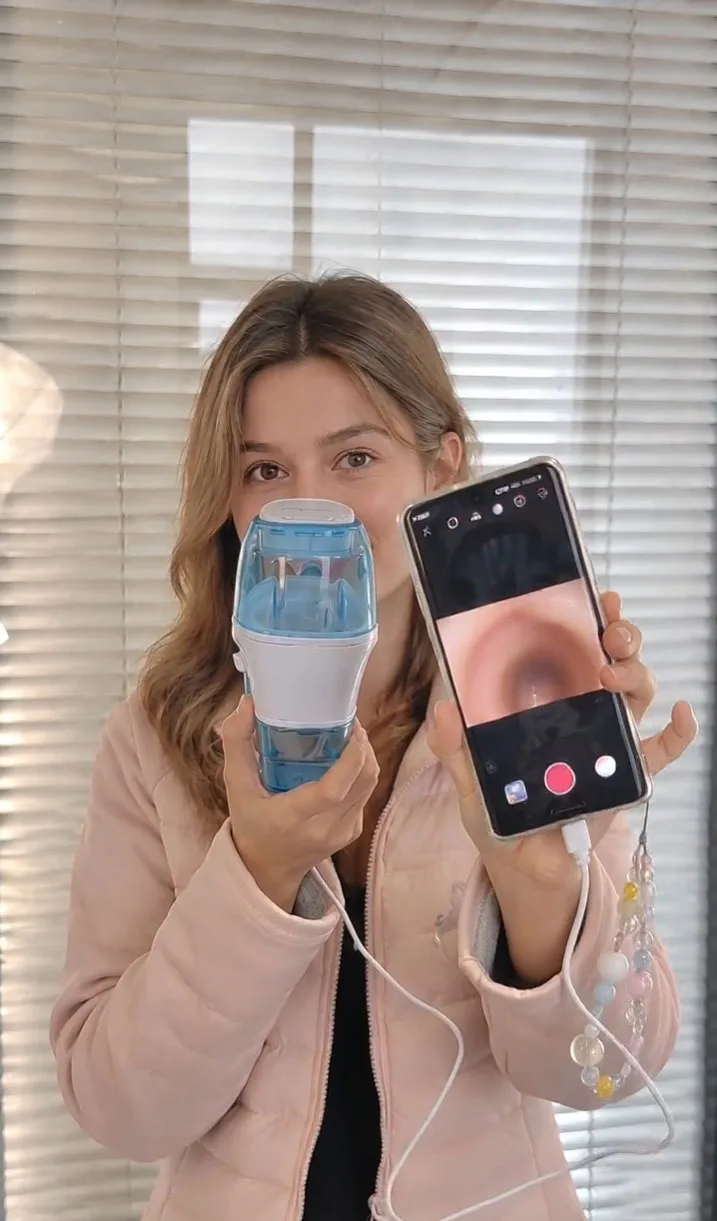
Science Popularization | Scientific Nasal Rinsing Makes Nasal Cleaning Simpler
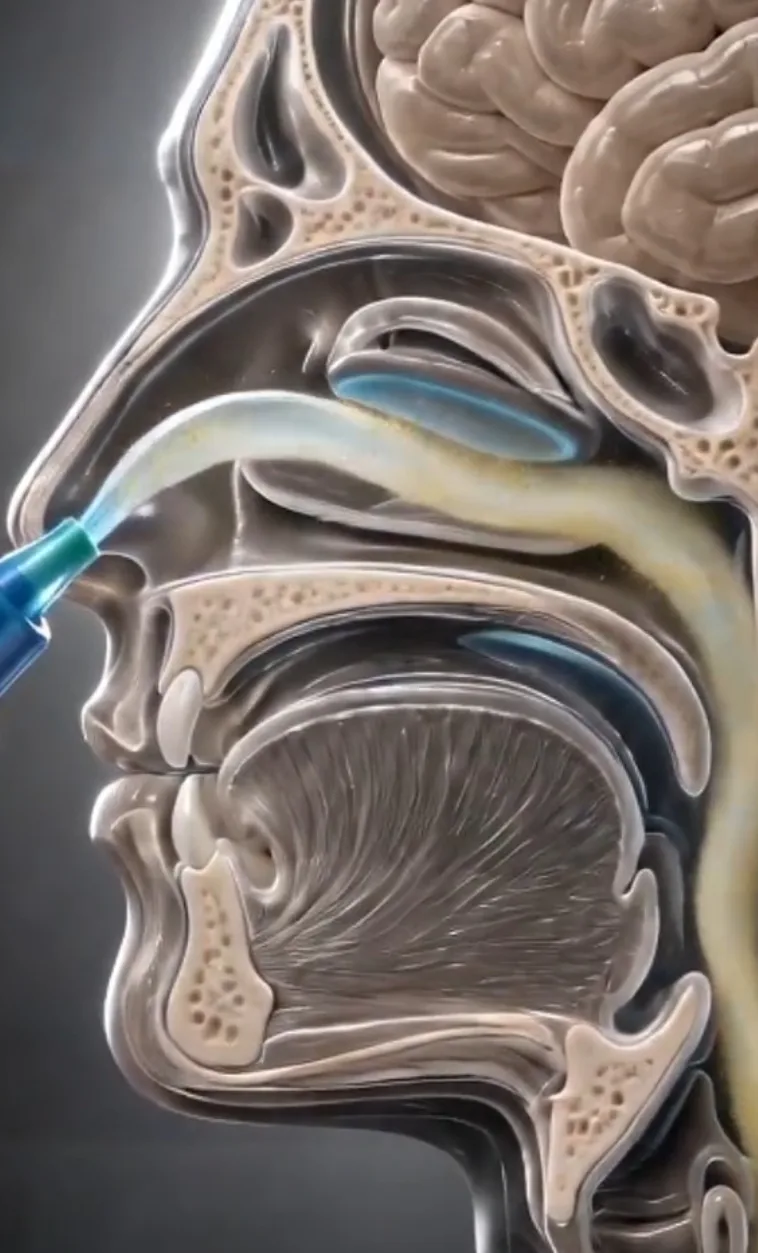
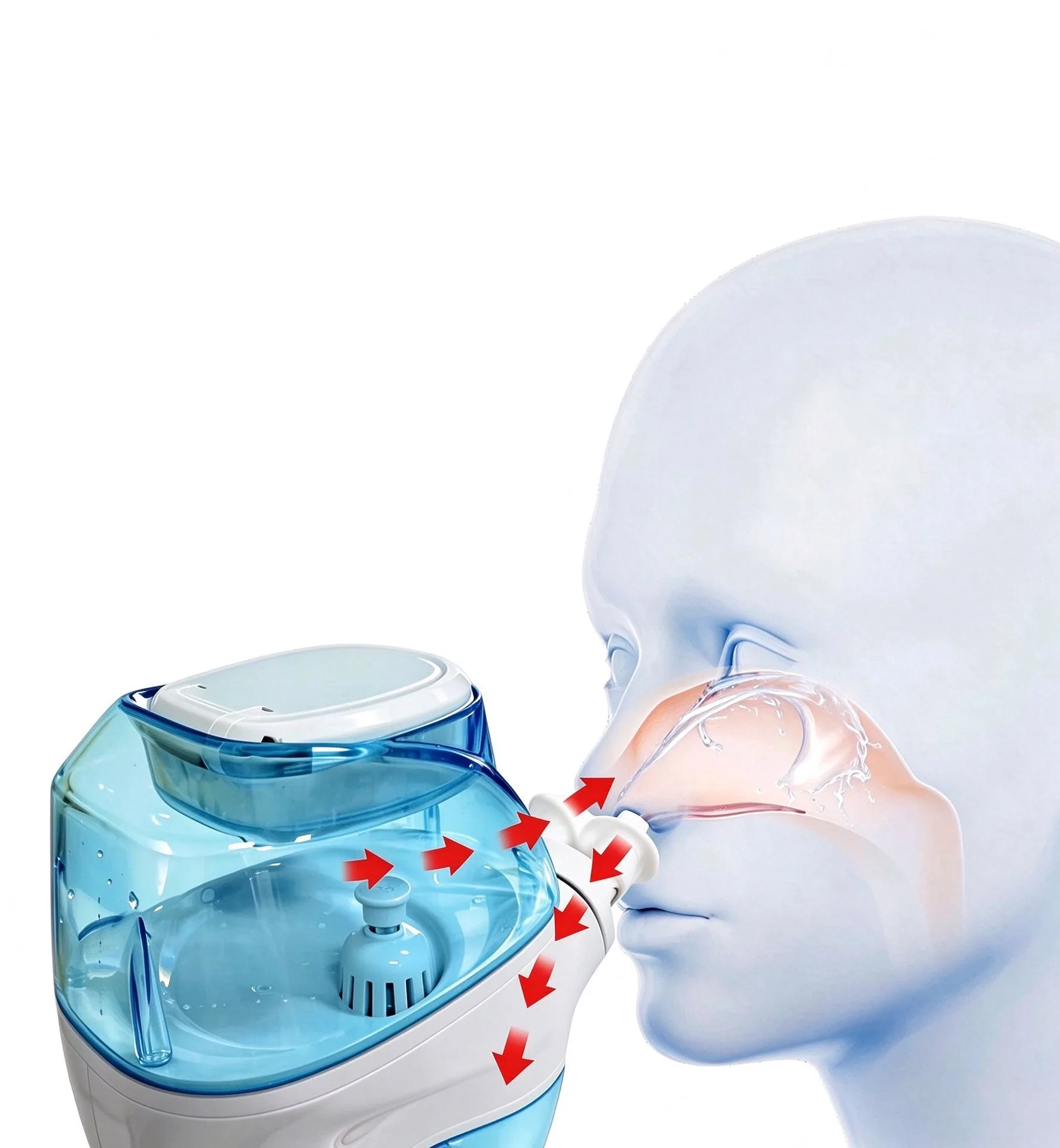
01 Why Pay Attention to Nasal Cleaning? The nasal cavity is an important part of the human respiratory system and the first line of defense for air entering the respiratory tract. Nasal hairs, mucus, and nasal cilia work together to filter, adhere to, and remove dust, particulate matter, and other substances from the air. In daily life, dust, pollen, and other environmental particles in the air may deposit in the nasal cavity. Performing appropriate nasal cleaning helps flush out secretions and some irritants in the nasal cavity, making nasal care more scientific and convenient. 02 What Is the Working Principle of a Nasal Irrigator? A nasal irrigator delivers a suitable rinsing solution into the nasal cavity via a nozzle, and with the help of liquid flow, assists in rinsing out mucus, secretions, and some attached particles in the nasal cavity. Unlike simply wiping the nose, nasal irrigation allows the rinsing solution to contact parts of the interior of the nasal cavity, providing assistance for daily nasal cleaning. 03 What Are the Benefits of Daily Nasal Rinsing? Auxiliary Nasal Cleaning: Helps flush out secretions and some environmental particles in the nasal cavity. Helps Clear Mucus: Assists in clearing excessive or thick nasal secretions. Helps Alleviate Some Nasal Discomfort: Appropriate saline nasal irrigation may help relieve symptoms related to allergic rhinitis. Convenient for Daily Care: Using a suitable nasal irrigation device can make the nasal cleaning process more convenient. 04 How to Use a Nasal Irrigator Scientifically? Step 1: Choose the Appropriate Rinsing Solution Prioritize saline of an appropriate concentration prepared with dedicated nasal wash salt, or ready-to-use rinsing solutions meeting product instructions. Do not directly use untreated tap water to rinse the nasal cavity. Step 2: Adopt a Gentle Rinsing Method Select the appropriate mode and nozzle according to product instructions, stay relaxed, and avoid excessive water pressure causing discomfort. Step 3: Pay Attention to Equipment Cleaning Clean and thoroughly dry washable components after each use according to instructions to prevent residual liquid from breeding microorganisms. Step 4: Pay Attention to Physical Sensations If obvious pain, nosebleeds, ear discomfort, or other abnormal conditions occur, stop use and consult professional medical personnel. 05 Scientific Nasal Rinsing: Safety Is Equally Important Nasal rinsing is a way to assist with nasal care and cannot replace disease diagnosis or treatment. Operation should be based on the product's applicable population and instructions; infants, post-nasal surgery populations, and individuals with special nasal conditions should consult a doctor first. Choosing the right rinsing solution, correct usage methods, and good cleaning habits ensures safer daily nasal care.