Working Principle of Nasal Irrigators: How Does Water Flow Help Clean the Nasal Cavity?
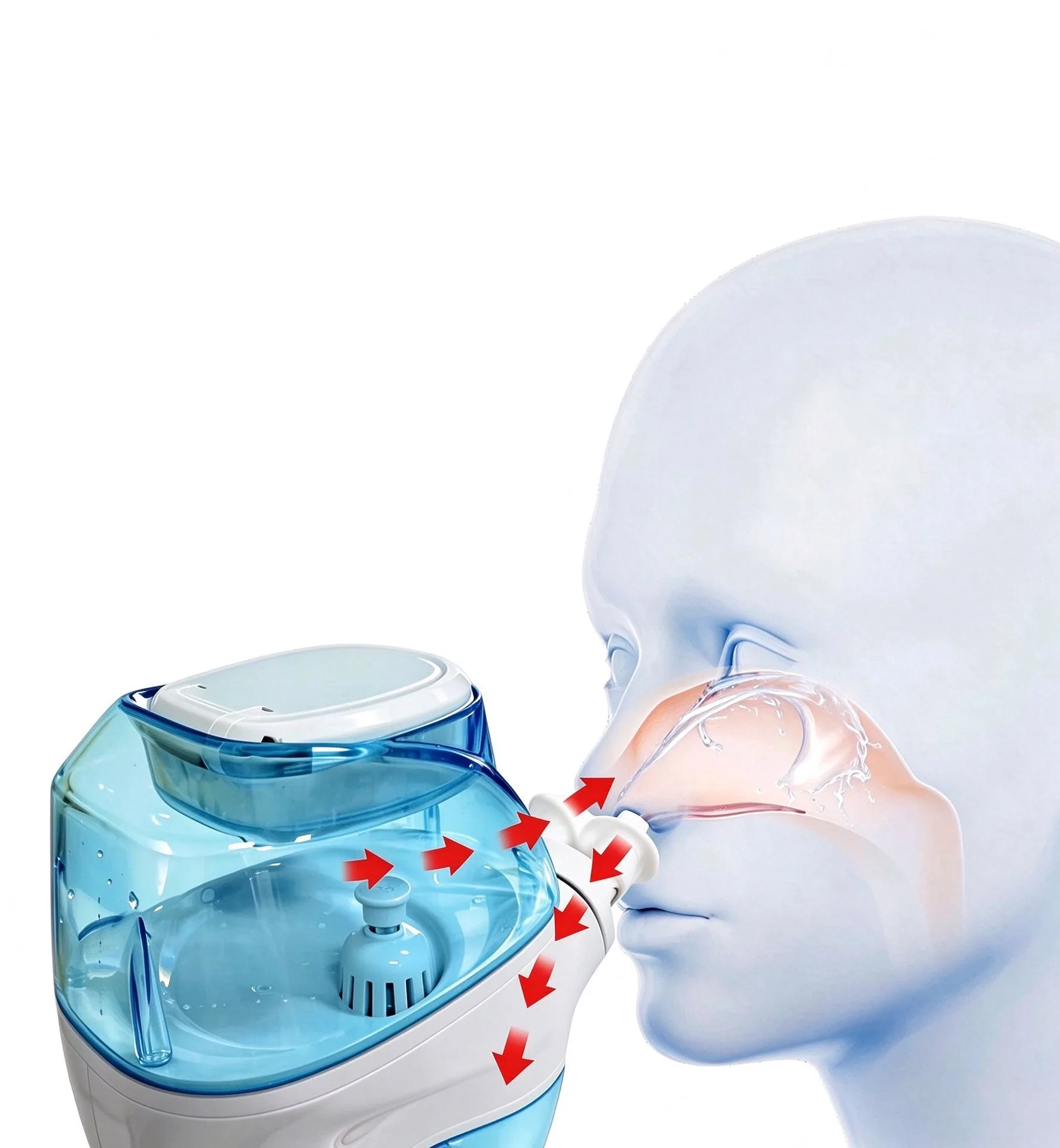
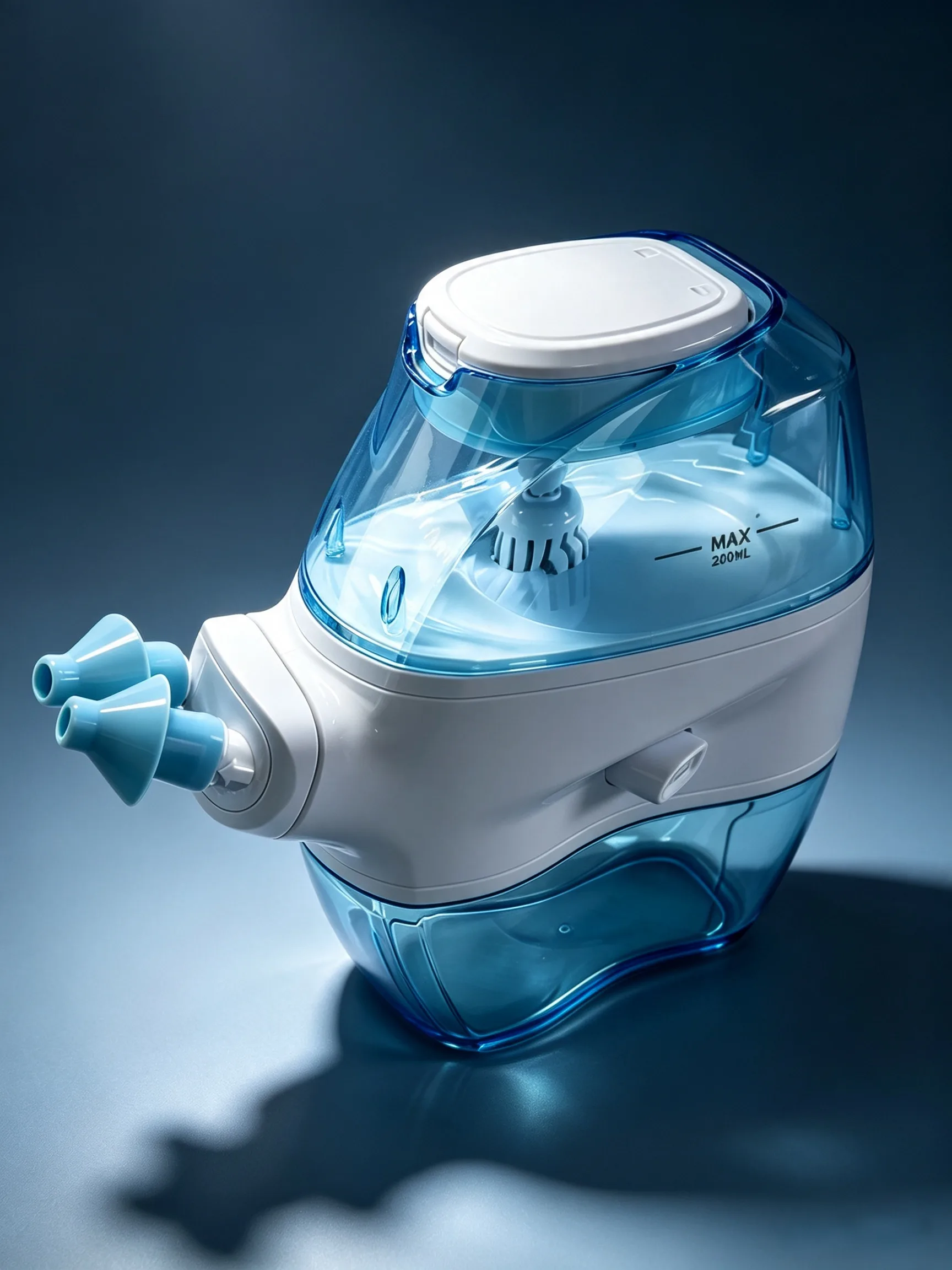
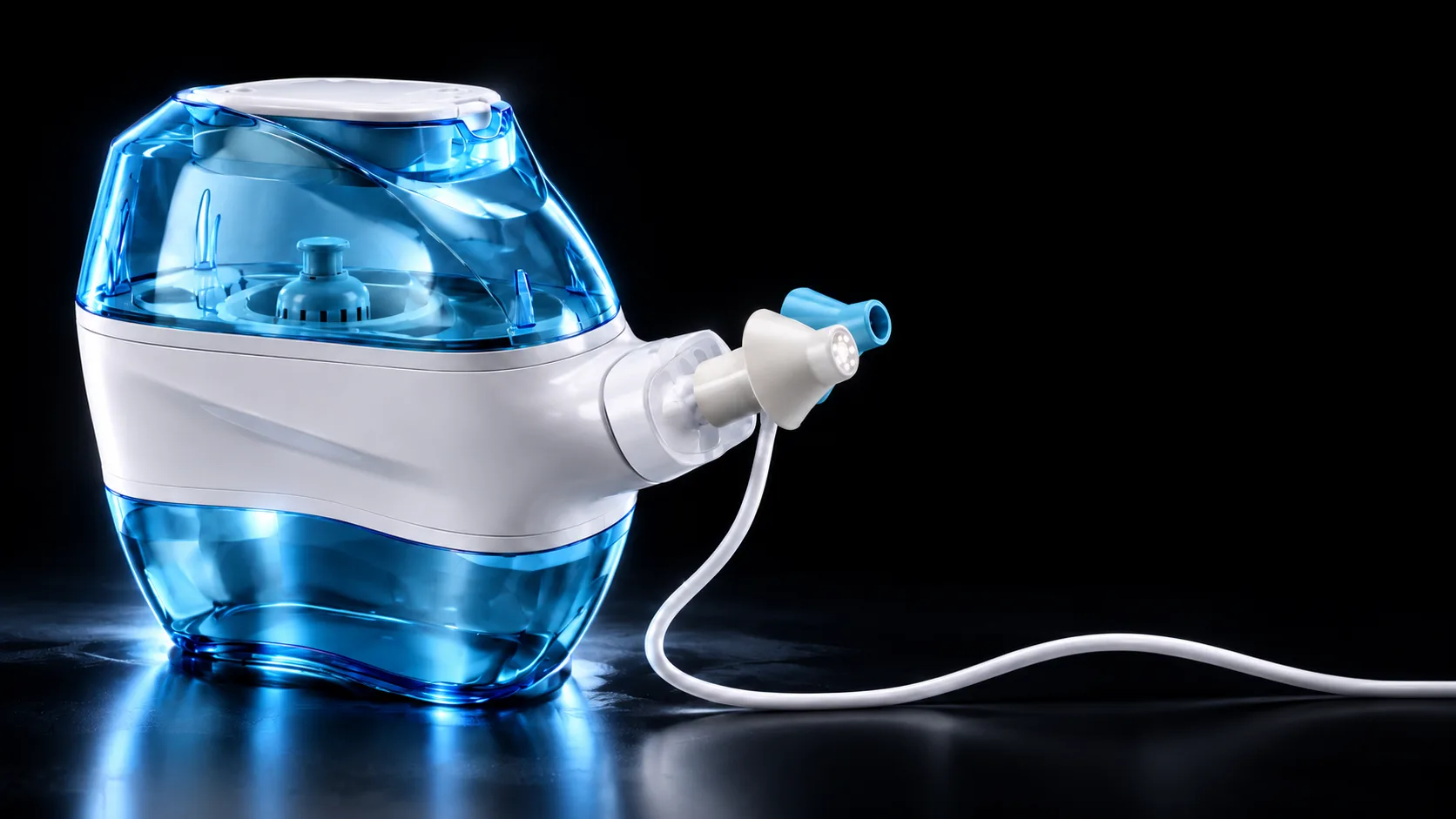
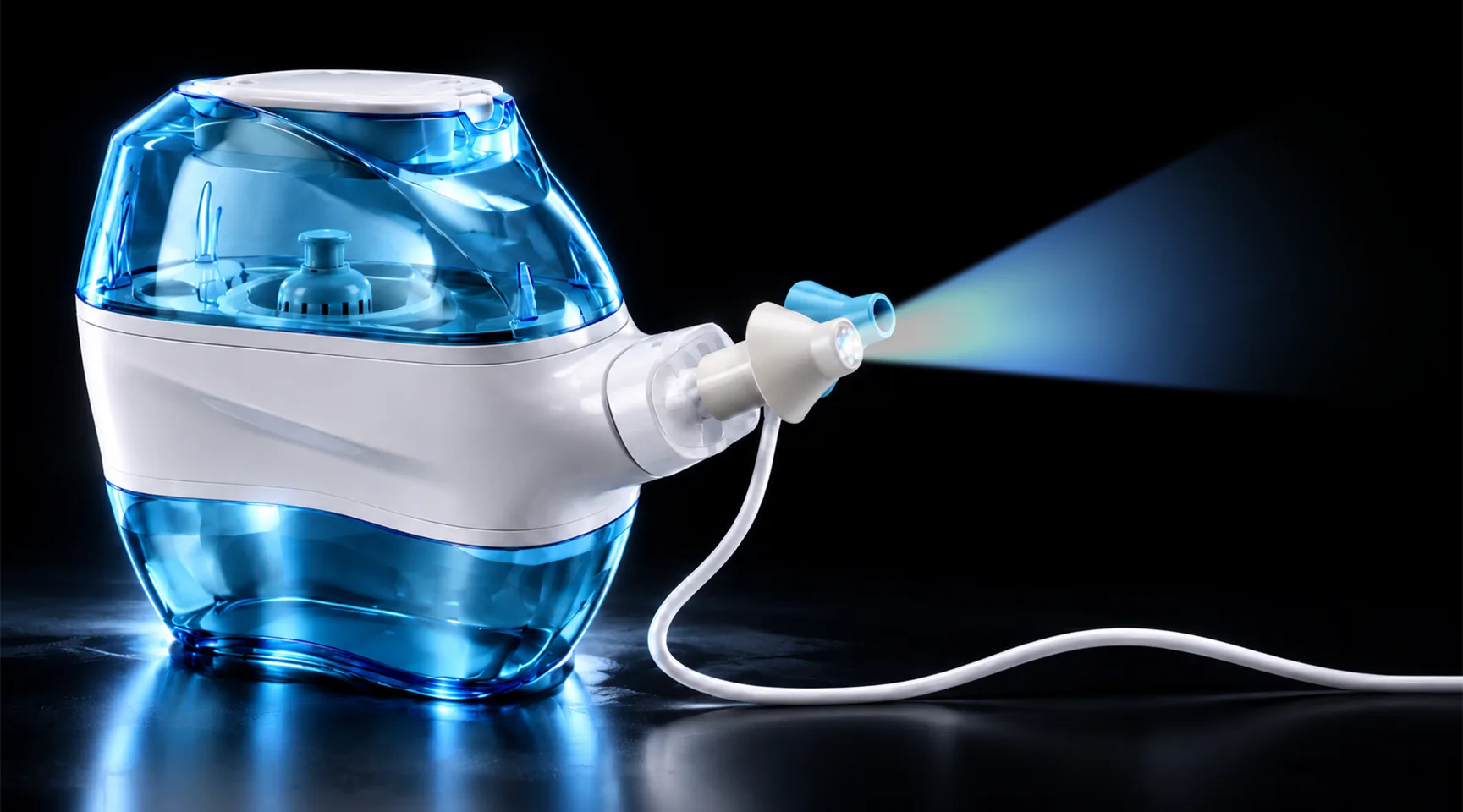
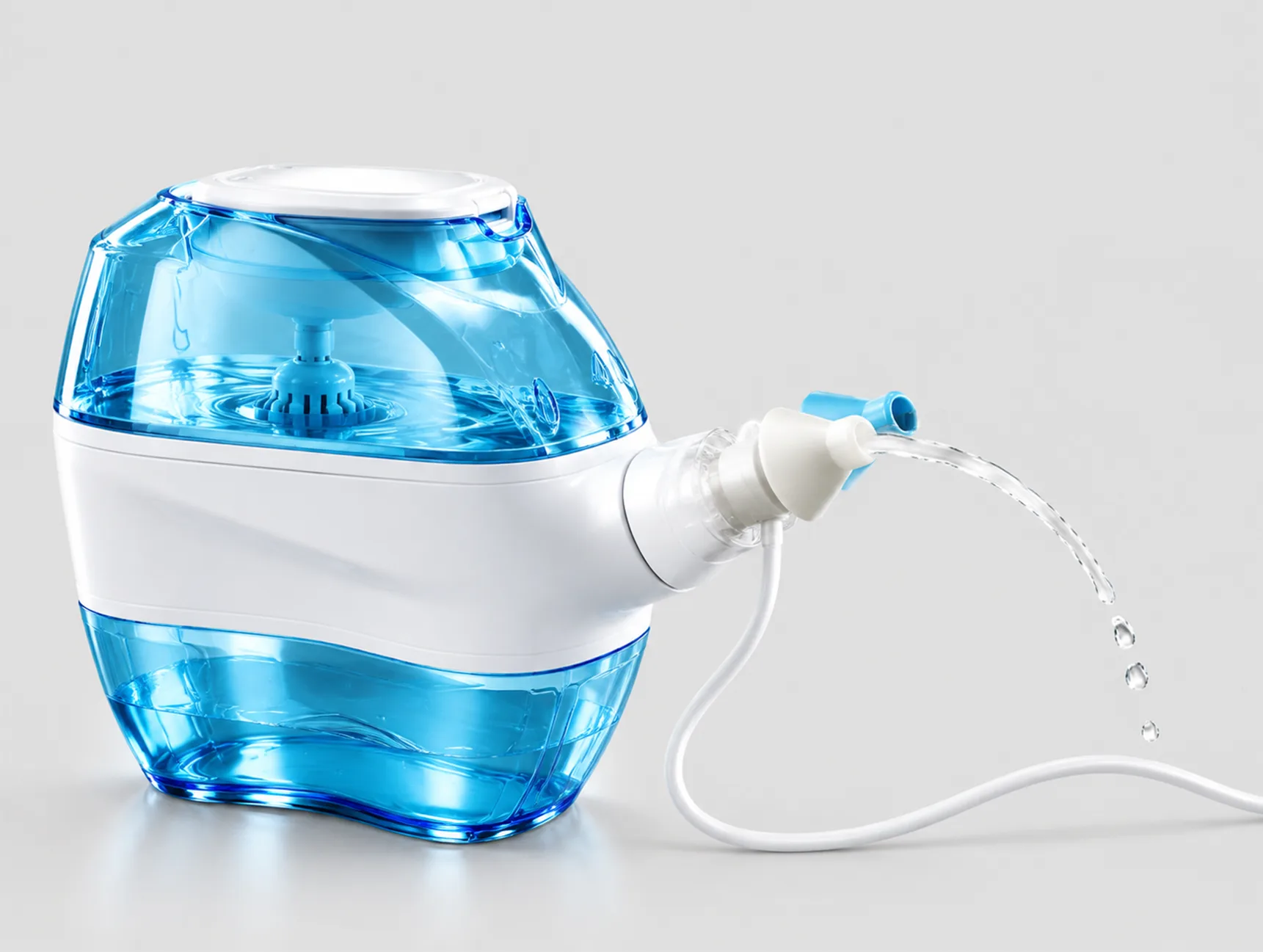
Working Principle of Nasal Irrigators: How Does Water Flow Help Clean the Nasal Cavity? The nasal cavity is an important part of the human respiratory system, undertaking functions such as filtering particulate matter in the air and regulating the temperature and humidity of inhaled air. In daily life, dust, pollen, and nasal secretions may accumulate in the nasal cavity; therefore, scientific nasal cleaning is an important part of daily nasal care. A nasal irrigator is a care device that flushes the nasal cavity with liquid. It uses appropriate water flow to deliver irrigation solution into the nasal cavity, helping to remove some mucus, secretions, and attached particles. Understanding the working principle of nasal irrigators helps us choose and use nasal cleaning products more scientifically. 1. How Does a Nasal Irrigators Work? The basic working principle of a nasal irrigator is to use the flushing action generated by liquid flow to assist in cleaning the inside of the nasal cavity. According to the design of different products, the device may adopt structures such as water pumps, nozzles, water tanks, and control components to realize the delivery and spraying of the irrigation solution. Its working process usually includes the following links. 1. Irrigation Solution Storage Nasal irrigators are usually equipped with liquid storage containers to hold the irrigation solution. Some products adopt a transparent water tank design, which is convenient for users to observe the remaining liquid level. The choice of irrigation solution is very important. Nasal irrigation is usually recommended to use saline of appropriate concentration, such as special nasal washing salt solutions prepared according to product instructions, or finished irrigation solutions meeting usage requirements. 2. Water Flow Delivery After starting the device, the delivery structure inside the product transports the irrigation solution to the nozzle. The water flow pressure, flow rate, and spray method of different products may vary, depending on the structural design of the equipment. A reasonable water flow design helps the irrigation solution smoothly enter the nasal cavity while balancing user comfort and safety. 3. Nozzle Guiding the Irrigation Solution The nozzle is an important part of the nasal irrigator, and its shape, size, and liquid outlet structure will affect the flow method of the irrigation solution. When in use, the nozzle should be placed in a suitable position according to product instructions, and the recommended operation posture should be adopted. The irrigation solution flows in the nasal cavity, which can help loosen and take away some mucus, secretions, and attached particles. It should be noted that the internal structure of the nasal cavity is complex, and the actual irrigation range will be affected by factors such as nozzle design, usage posture, water flow parameters, and personal nasal structure. 4. Discharge of Irrigation Solution Under appropriate irrigation conditions, the liquid can carry some secretions and particles out of the nasal cavity. The correct operation method helps reduce unnecessary discomfort and makes the cleaning process smoother. A nasal irrigator does not directly eliminate all irritants in the nasal cavity through water flow, nor can it guarantee cleaning every area of the nasal cavity. Its main role is to assist in nasal cleaning. 2. Why Can Water Flow Help Clean the Nasal Cavity? The cleaning effect of a nasal irrigator mainly comes from the flushing and flow of the liquid, rather than relying solely on water pressure. 1. Help Clear Nasal Secretions Nasal mucus can adhere to some inhaled particulate matter and participate in the defense process of the respiratory tract. When secretions are abundant or viscous, appropriate saline irrigation helps loosen them and assists in their discharge. 2. Help Flush Some Attached Particles Dust, pollen, and other particles in the air may adhere to the nasal mucus